What to check before booking a desert buggy outing in Dubai
Booking a desert buggy outing sounds simple until the details start to matter. The desert is not a flat car park, and the experience can feel very different depending on the route, the vehicle type, the timing and the rules set for drivers. A little checking before you pay can prevent mismatched expectations and help you choose an option that suits your group.
Start with the basics: who is allowed to drive, whether passengers can ride along, and what kind of licence or age requirement applies. Those points shape everything else, from the vehicle you choose to the pace of the route. If one driver in the group does not meet the requirements, the whole plan may need to change.
Vehicle type and driving experience
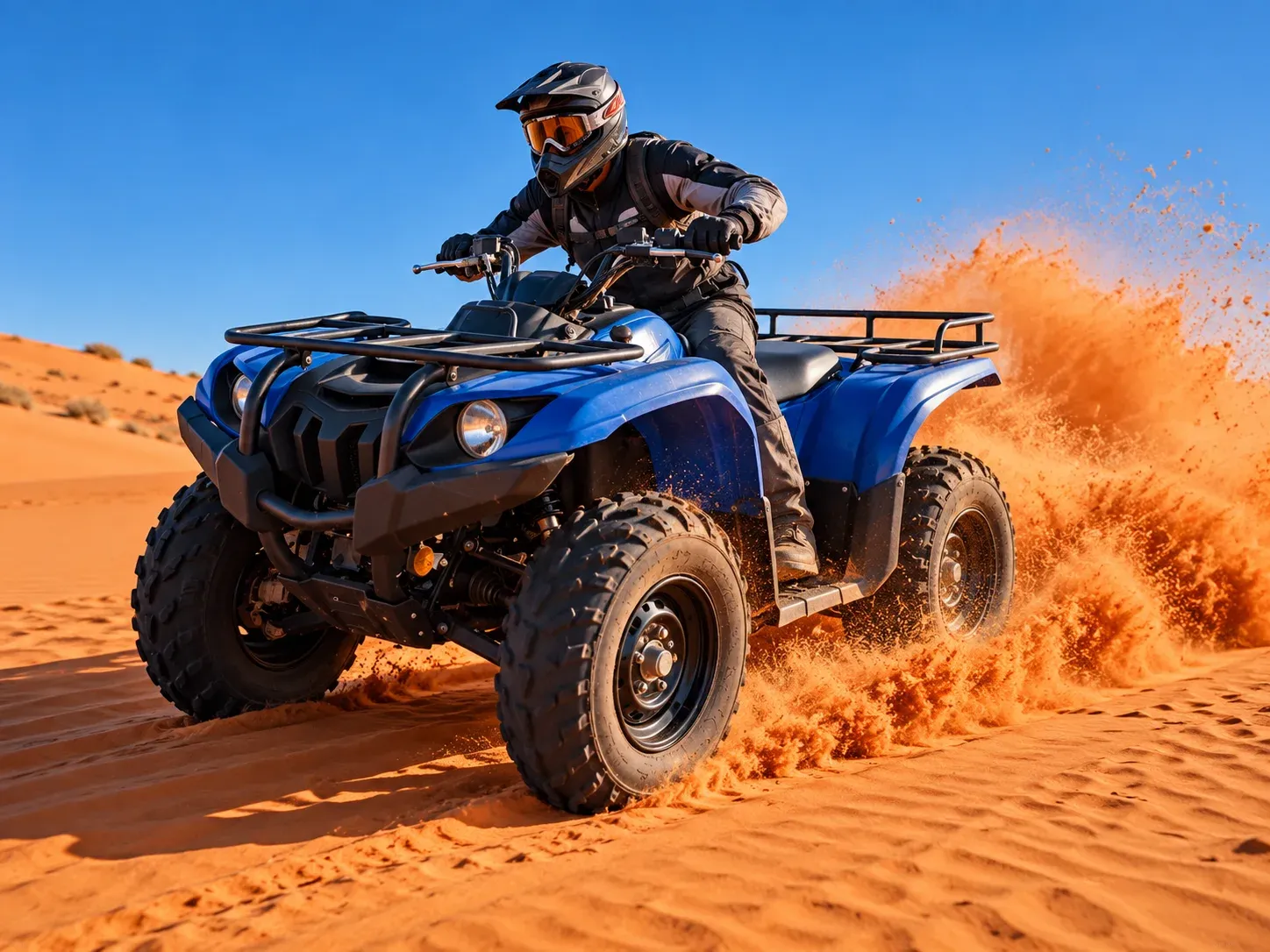
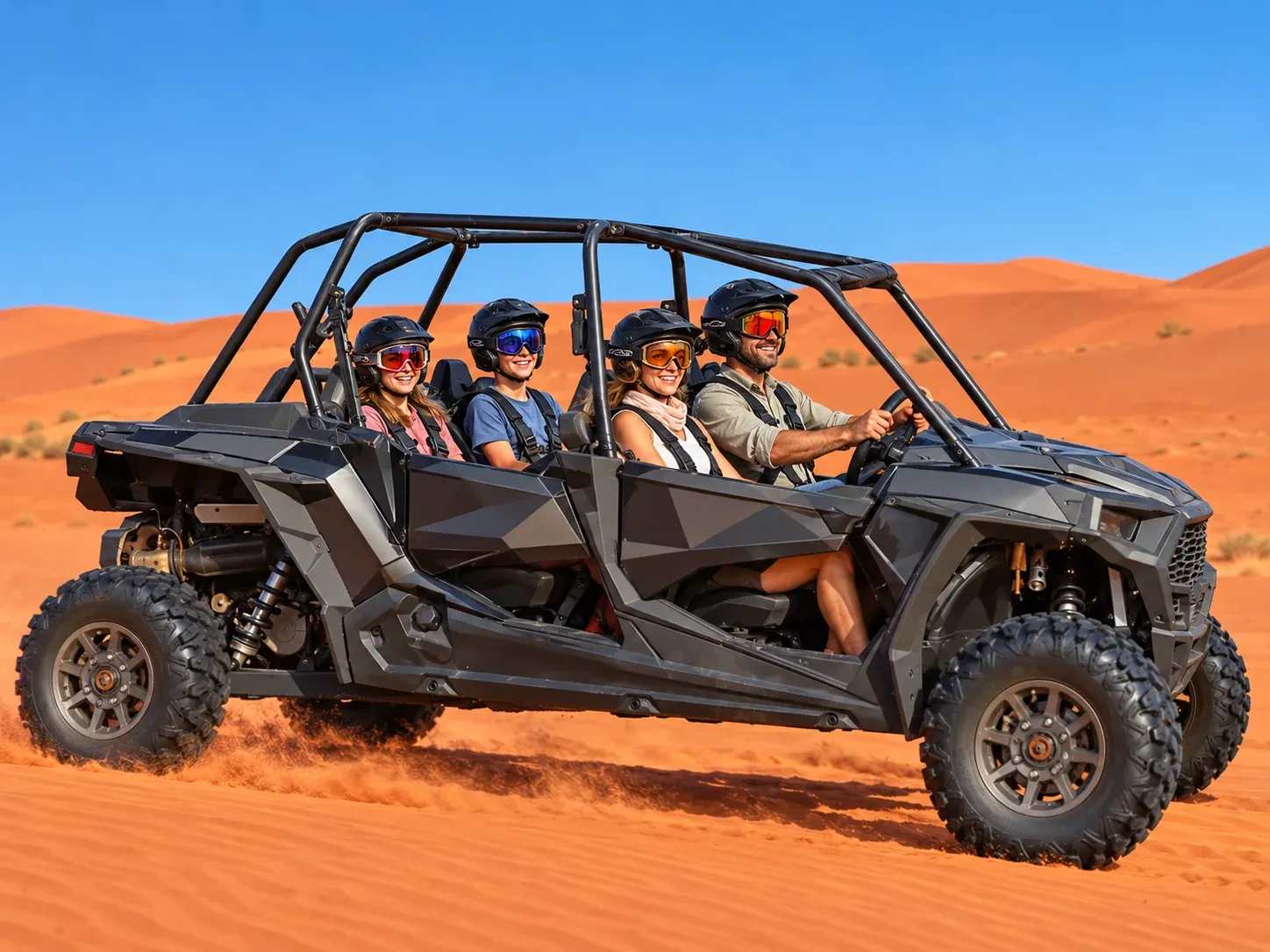
The term buggy covers a range of vehicles, from small two-seat machines to larger side-by-side models. A compact buggy can feel nimble and sporty, which suits a solo driver or a pair. A side-by-side gives more room for passengers and may feel steadier for people new to desert driving. Neither choice is automatically better. The right pick depends on confidence, group size and how much dust, speed and bumpiness the riders are comfortable with.
Ask what transmission the buggy uses and whether previous off-road driving is expected. Automatic vehicles make the experience easier to manage for many people, while a manual can demand more attention on sand. If the route includes steep dunes or tight turns, a beginner may prefer a calmer option with a more experienced driver nearby.
Seating and safety equipment deserve attention too. Confirm that seat belts are present, that passengers have proper seats rather than improvised space, and that helmets are available where required. Check whether eye protection or face coverings are recommended, since dust can be part of the ride. Loose clothing, long scarves and unsecured bags can catch or distract, so practical dress matters more than looking the part.
Route, duration and pace
One buggy trip may be a short loop near the desert edge, while another may cover a longer route with stops for photos or a break. Ask what the route includes and how long the driving portion lasts, not just the total time away from the city. Transfers, safety briefings and photo stops can take up a large share of the schedule.
Pace is just as important as distance. Some outings lean toward fast dune runs and sharp turns. Others keep things moderate, with time to take in the landscape. If the group includes children, older passengers or anyone sensitive to motion, a relaxed pace is usually the smarter choice. A route with frequent turns and soft sand can be tiring even when the distance looks short on a map.
It also helps to ask how the route changes after rain or heavy wind. Desert conditions shift quickly, and a path that feels firm one week may be softer the next. Good planning allows room for adjustment rather than forcing the same line through difficult terrain.
Timing and desert conditions
Time of day changes the feel of the trip. Morning light tends to be softer and temperatures are usually more comfortable. Late afternoon brings warmer colours and a different atmosphere, but the drive back may happen after dark. Midday heat can be harsh, especially for riders sitting low in a buggy with little shade.
Weather should be checked close to the booking date. Heat, wind and dust can affect visibility and comfort. In hot months, water and sun protection are not optional extras. In cooler months, a windproof layer can make the open buggy far more pleasant once the sun drops.
When comparing options, Dune Buggy Dubai can be treated as one name to look for while you review the details of the outing. The name alone should not replace practical questions about route, vehicle, requirements and safety.
Inclusions, exclusions and hidden gaps
Read the booking details carefully before assuming that everything is included. Transport, fuel, helmets, refreshments, photography, entry fees and optional activities may be handled in different ways. A lower headline price can become less appealing once separate charges are added, while a higher price may include items that matter to your group.
Pay attention to what happens if the weather disrupts the outing or if a rider arrives late. Clear terms are useful because desert plans can be affected by conditions outside anyone's control. Ask whether rescheduling is allowed and what proof is needed if a change becomes necessary. A vague answer is a reason to pause.
Group size also changes the experience. A larger group can mean more waiting, shared briefings and a less flexible route. A smaller group may feel more personal but can cost more per person. Think about what your group values: time on the dunes, privacy, photography, or a balanced mix.
Safety standards and insurance basics
Safety should be checked in plain terms. Ask about the briefing, the role of the guide, and how drivers are supervised on the dunes. A proper briefing explains hand signals, safe following distance, what to do if the buggy stalls and how to behave around other vehicles. Drivers should understand that sand rewards smooth inputs. Sudden steering, harsh braking and overconfidence can cause a rollover.
Insurance is another point to clarify. Find out what is covered, what is excluded and who is responsible for damage caused by a driver. Do not rely on assumptions. Written details are more useful than a casual promise. If the exclusions are broad, understand them before agreeing to drive.
Medical and emergency arrangements also matter. Ask whether there is a first aid kit on site, how guests can contact the team during the outing, and what happens if someone is injured or feels unwell. In remote-looking terrain, clear communication procedures can make a real difference.
What to wear and what to leave behind
Practical clothing improves the day. Closed-toe shoes, breathable layers, sunglasses with a secure strap and sun protection are sensible choices. Avoid loose items that can fly away in wind or get caught in the vehicle. Phones and cameras should be secured, and a small pouch or zipped pocket is safer than a loose handbag.

Bring water if it is not clearly provided, especially in warm weather. Motion sickness can be triggered by dune driving, so anyone prone to it should plan ahead and choose a gentler pace. Eating a heavy meal just before a buggy ride is rarely a good idea.
Before you confirm, compare the whole experience rather than a single feature. The best choice is usually the one that matches the drivers, the passengers and the conditions on the day. Searching for Dune Buggy Dubai dune buggy safari dubai may bring up several options, but the useful decision comes from checking the specifics: vehicle, route, safety, timing, inclusions and terms. When those points line up, the booking is far more likely to feel straightforward.
A final read of the confirmation message can catch simple errors. Check the date, meeting point, pickup details, driver names, vehicle type and what each rider must bring. If anything is unclear, ask before the day arrives. Clear answers at the start usually lead to a smoother time in the desert.